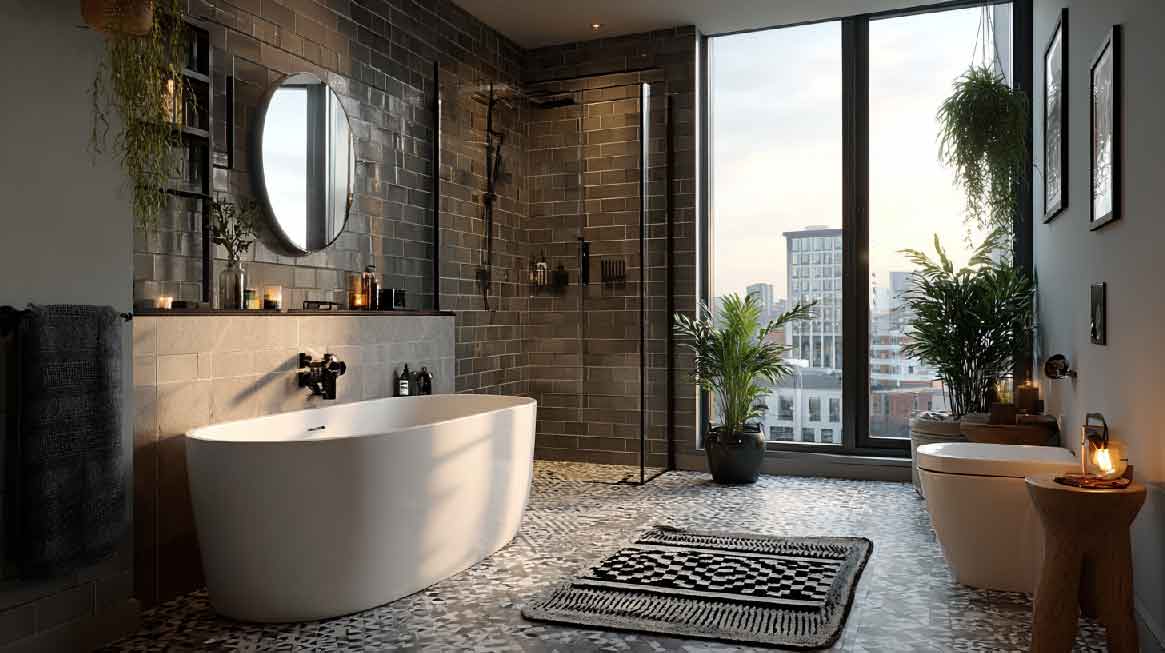
Limescale is the chalky deposit hard water leaves when it dries or is heated, and London's main water suppliers class their water as hard. Remove it with a mild acid such as citric acid, white vinegar or a limescale remover, give it time to work, then rinse and dry. Never use acids on marble or limestone, or with bleach.
Why does limescale build up so fast in London?
Rain is soft, but on its way to your tap it passes through chalk and limestone and picks up calcium and magnesium. When the water evaporates from a tap or is heated in a kettle, those minerals stay behind.
- Thames Water, which serves customers across London and the Thames Valley, says all the water in its region is hard. It rates water with 200 to 300 mg/l of calcium carbonate as hard and over 300 mg/l as very hard (Thames Water).
- Affinity Water, which supplies parts of north-west London including Harrow and Hillingdon, says the water it supplies is classed as hard or very hard (Affinity Water).
Which limescale remover is safe on which surface?
Limescale dissolves in mild acid. The skill is matching the product, and the cloth, to the surface.
- Chrome taps and showers: a mild citric acid cleaner on a soft cloth. Hansgrohe advises against cleaners containing hydrochloric, formic or acetic acid (vinegar) or chlorine bleach on its products, and against scouring products (Hansgrohe).
- Brushed, matt black, brass-effect and gold-coloured fittings: the most delicate finishes. Use only what the manufacturer's care guide allows, and test on a hidden spot.
- Glass shower screens: soapy water routinely, with white vinegar or a bicarbonate of soda paste for tougher build-up.
- Glazed ceramic basins, toilets and tiles: standard bathroom limescale removers, rinsed off afterwards.
- Acrylic baths and shower trays: these scratch easily, so use a soft sponge and no scouring powder.
- Marble, limestone and travertine: no acids at all. HG warns that vinegar and water mixtures can damage calcareous natural stone and names marble and travertine as sensitive to acids (HG). Use a cleaner made for natural stone.
How do you clean limescale off taps?
- Put the cleaner on a cotton cloth, not straight onto the tap, so it does not run into the base or the handle. Hansgrohe gives the same instruction for its fittings.
- Wrap the cloth around the spout and the base, where scale gathers, and leave it for the time on the label.
- Unscrew the aerator at the tip of the spout if it comes off by hand, and soak it in descaler. A blocked aerator makes the tap spit.
- Rinse with clean water and dry with a soft cloth. Drying is what stops the white ring returning.
Affinity Water suggests rubbing half a lemon over the end of a tap, and for stubborn patches, laying a cloth soaked in white vinegar over the area for an hour before wiping clean. Check your tap maker's care advice before trying vinegar, because some rule it out.
How do you descale a shower head?
- Rub the nozzles. Many shower heads have soft rubber nozzles, and rubbing them with your fingers breaks off light scale.
- Soak heavier scale. Unscrew the hand shower, remove the filter screen if it has one, and immerse the head in a citric acid descaler for as long as the product says.
- Fixed overhead heads: fill a strong freezer bag with descaler and secure it around the head with an elastic band, so the nozzles sit in the liquid.
- Rinse inside and out with clean water and run the shower for a minute before you use it.
Hansgrohe says how often to descale depends on how hard your water is, and warns against spraying cleaner directly onto showers, steam cleaners and abrasive cloths (Hansgrohe). In London, a quick rub every week or two, with a soak when the spray turns uneven, usually keeps on top of it.
How do you get limescale off a glass shower screen?
Clean the glass weekly with soapy water and a soft cloth, treat cloudy patches with vinegar or a bicarbonate of soda paste, and squeegee after every shower. Merlyn, a shower enclosure maker, recommends exactly that routine and points out that etching cannot be reversed, which is why wiping the glass after each shower matters (Merlyn).
Keep metal scrapers and scouring pads off the glass, and clean the frame, seals and tracks too, where scale and soap scum collect together. If the glass has a factory water-repellent coating, follow the maker's care instructions.
How do you remove limescale from a toilet?
Toilet scale sits below the waterline, so the trick is keeping the cleaner in contact with it.
- Lower the water level by pushing the toilet brush firmly into the outlet a few times.
- Apply a thick limescale gel or a citric acid toilet descaler under the rim and over the scale ring.
- Leave it for the time on the label, then scrub and flush. Repeat for heavy rings rather than using wire wool or a metal scraper, which can mark the glaze.
Never use bleach and a limescale remover in the toilet together. Most limescale removers are acidic, and the UK Health Security Agency states that household bleach (sodium hypochlorite) produces chlorine gas when mixed with acidic products (UKHSA). Use one product per session, flush well and keep the other for another day. If you use toilet blocks and have pets, keep the lid down, as PDSA advises (PDSA).
How do you descale a kettle?
Prevention does most of the work. Thames Water suggests a steel scale collector in the kettle and emptying it if you will not use it for a while. Affinity Water suggests not re-boiling water left in the kettle, always refilling with fresh water, and using filtered water or a kettle with a built-in filter.
To descale, use a kettle descaler or citric acid as the pack directs. Then boil a full kettle of fresh water and pour it away, twice, so no taste is left. For a steam iron, use only a descaling method the manual approves.
How do you stop limescale coming back?
- Dry after use. Squeegee the screen and wipe the taps after the last shower of the day. A minute of drying saves a long scrub later.
- Treat the usual spots weekly with a citric acid spray applied to a cloth: tap bases, plugholes, the shower head and the bottom of the screen. Our weekly cleaning checklist shows where this fits.
- Turn the hot water down. Thames Water suggests setting it to 60°C to reduce scale.
- Hand it over. If you have a regular cleaner, ask for limescale spots to be on every visit. See our home cleaning service for how regular visits work.
The kitchen tap and sink face the same hard water; our kitchen deep clean guide covers the rest of that room.
When is professional help worth it?
Years of crust on a shower screen or a stubborn toilet ring can take several treatments, and limescale is one of the first things a check-out clerk notices when you leave a rental. A deep clean from SW Clean London covers limescale on taps, shower heads and screens, at £23 per cleaner per hour with products and equipment included. Tell us about natural stone or special finishes when you book. Moving out? Read our end of tenancy cleaning checklist.
Frequently asked questions
Is vinegar or citric acid better for limescale?
Both dissolve limescale. Citric acid has little smell and is the type of cleaner Hansgrohe recommends for its taps and showers, so it is the safer default for fittings. White vinegar is cheap and suits glass and glazed ceramic, but some tap makers rule it out. Neither should go anywhere near marble, limestone or travertine.
Does limescale mean my water is unsafe?
No. Affinity Water says hard water is perfectly safe to drink, and that the scale it leaves is not harmful, just unsightly. The calcium and magnesium in it are natural minerals picked up from chalk and limestone. Limescale is a cleaning and appliance problem rather than a health one, though it does clog shower nozzles and fur up kettles.
Will a water softener stop limescale?
It reduces the minerals that form scale, and Thames Water lists a softener as an option for household appliances. It is a plumbing job, though, and Thames Water says softened water is not recommended for drinking or cooking, so it suggests keeping a separate tap for drinking water. In a rented flat, regular drying and descaling is the practical answer.
Want clear glass and bright chrome back without the scrubbing? Book a deep clean online or see what our deep cleaning service includes.